
Podcast Media Kit: What to Include If You Want Better Guests, Sponsors, and Shares
A practical guide to building a podcast media kit that makes your show easier to understand, easier to share, and easier to pitch to guests, sponsors, and partners.
Podcast Media Kit: What to Include If You Want Better Guests, Sponsors, and Shares
Most podcast media kits are trying to do too many jobs at once. They want to impress sponsors, reassure guests, summarize the show, prove reach, and somehow still feel on-brand. The result is usually a bloated PDF full of vanity metrics, fuzzy positioning, and screenshots nobody will study for more than eight seconds.
A better podcast media kit is simpler. It should help a busy person understand three things fast: what your show is about, who it reaches, and why saying yes to you is worth their time. If it cannot do that quickly, it is not really a media kit. It is a storage folder with aspirations.
This matters whether you are trying to land guests, package brand partnerships, or make episode promotion easier for collaborators. It also fits naturally with the rest of your podcast packaging system: your episode titles, thumbnails, and guest promotion workflow should all point in the same direction.
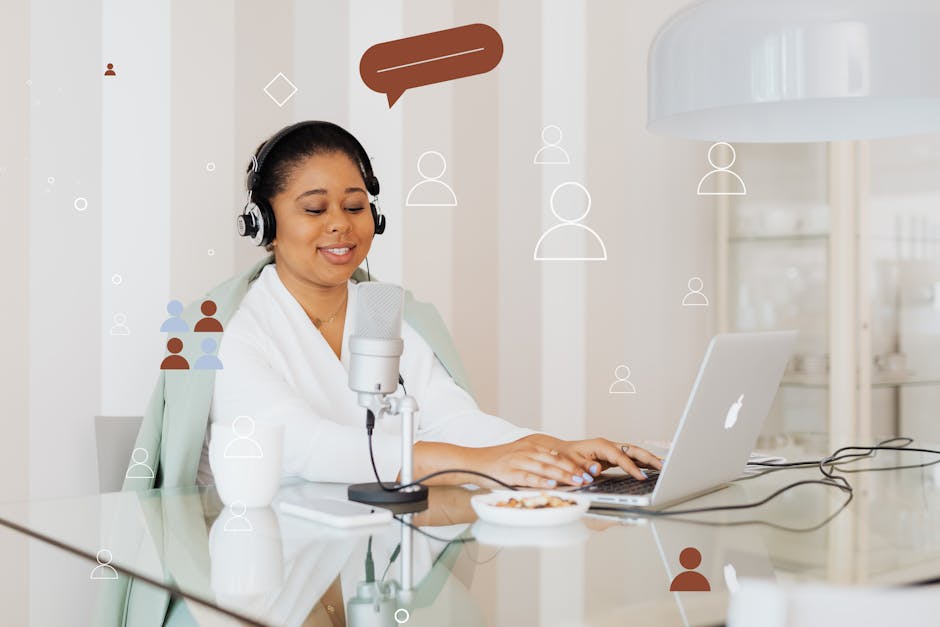
Why most podcast media kits feel weaker than the show itself
Podcast teams often spend serious effort on recording, editing, clips, and distribution, then throw the media kit together as an afterthought. That creates a weird mismatch: the show may be sharp, but the pitch material feels vague.
The problem is usually not missing design polish. It is missing editorial clarity. A media kit should not read like a corporate brochure. It should read like a clean answer to the question, Why this show?
That answer usually comes from five things:
- a clear show premise
- an identifiable audience
- proof that the show is alive and professionally run
- assets that make promotion easier
- a reason the relationship benefits both sides
If you are asking a guest to appear, they want confidence that the show is credible and the promotion will not be sloppy. If you are talking to a sponsor or partner, they want to know the audience fit is real. If you are giving the kit to collaborators, they want easy-to-use assets they can share without extra back-and-forth.
What to include in a podcast media kit
The strongest media kits usually keep the structure tight. For most shows, these sections are enough.
1. A one-paragraph show description
This should explain the show in plain English, not padded marketing language. If a stranger reads the description, they should immediately understand the topic, the audience, and the style of conversation.
Good descriptions are specific. Bad descriptions sound like this:
A podcast where we explore ideas, insights, and conversations with amazing people.
That says almost nothing. A better version names the lane clearly and gives the reader a reason to care.
2. Host bio with real context
Keep this brief, but not empty. Why is the host worth listening to? What perspective do they bring? If the show has industry credibility, say it plainly. Do not turn this into a CV dump.
3. Audience snapshot
You do not need twenty charts. You need the few audience details that actually help someone judge fit: listener profile, industry, role, geography, or the kind of person who tends to engage with the show. If you have real download or view ranges, include them honestly. If you do not, do not invent grandeur.
A smaller but well-defined audience is often more persuasive than a bigger number with no context.
4. Proof of quality and consistency
This can be simple: publishing cadence, notable guests, standout episodes, testimonials, or examples of how episodes are packaged and promoted. Consistency signals seriousness. A dormant-looking show is harder to say yes to.
5. Promotion assets
This is the part many kits underplay. If you want guests, partners, or sponsors to help distribute an episode, make the sharing easy. Include:
- logo files
- host headshots
- show description snippets
- sample episode links
- a few polished clip examples
- optional pull quotes or caption-ready copy
This is where a media kit stops being descriptive and starts being useful.

The smartest podcast media kits include clips, not just logos
A lot of podcast kits still behave as if distribution happens through static graphics alone. That is outdated. A guest, partner, or sponsor is much more likely to share something that already feels native to the feed than a square logo on a blank background.
That is one reason polished short-form assets belong in the kit. You do not need ten of them. Even two or three strong examples can show that your show knows how to package moments, not just publish episodes.
This also connects neatly to what platforms already reward. YouTube explicitly lets creators A/B test titles and thumbnails, with the winning option determined by watch time. That is a useful reminder that presentation is not cosmetic. Packaging changes performance. YouTube also recommends using custom thumbnails so viewers get a clearer, more deliberate snapshot of the video.
The same logic applies inside a media kit. If you show people strong, ready-to-share assets, you reduce the effort required to promote your show well.
Loonacast fits naturally here. The platform is built to turn full podcast episodes into finished social clips, not just transcripts or rough exports. You can import from YouTube, RSS, Riverside, or file upload, generate a transcript with word-level timing and speaker detection, surface 5-10 strong story moments, and refine them in the Studio editor with captions, smart layouts, B-roll, templates, and logo overlays. That makes it much easier to include a few premium-looking clip examples in your media kit instead of hoping someone imagines how your show might look in the feed.
What to leave out if you want the kit to feel premium
A good media kit is partly about inclusion and partly about restraint. Some things make the whole package feel cheaper fast:
- inflated claims with no proof
- every metric you have ever exported
- generic mission statements
- low-resolution screenshots
- raw analytics with no explanation
- too many sponsor tiers in the first deck
- assets that look visually unrelated to the show
The rule is simple: if a section does not help someone say yes faster, it probably does not belong.
That is especially true for metrics. Context beats volume. A sponsor does not need twelve disconnected charts. A guest does not need your whole analytics dashboard. Each audience needs just enough signal to understand relevance and professionalism.
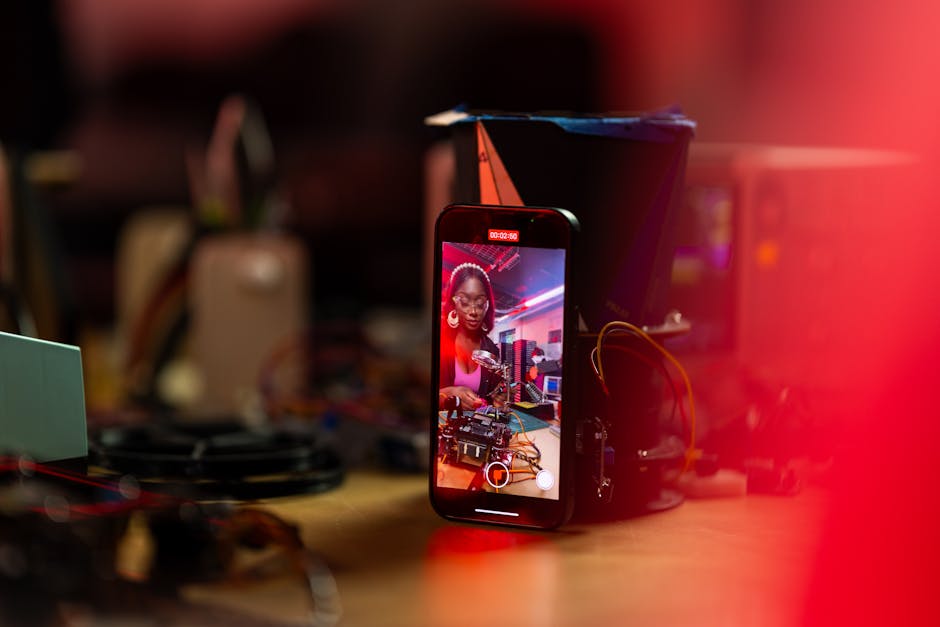
A simple media kit workflow for podcast teams
If you want this to stay updated instead of becoming a stale PDF from six months ago, build it like a repeatable system.
Start with one version for all uses
Create one master media kit with the essentials: show premise, host, audience, proof, assets, and contact path. Then adapt the front page or examples depending on whether the target is a guest, sponsor, or partner.
Refresh the examples, not the whole document
Usually the weak point is not the core description. It is the outdated examples. Swap in fresh episodes, current clips, and newer proof points regularly.
Keep your packaging consistent across surfaces
If your media kit says the show is sharp and modern, the linked assets should support that claim. This is why your kit should align with your podcast newsletter strategy, your show notes SEO, and your social clip workflow. A messy ecosystem makes even a decent media kit feel less credible.
Make the next step obvious
Do not end with a vague invitation to connect sometime. Add one clear call to action: book a guest slot, request sponsorship details, or ask for the latest episode package. Less ambiguity, more movement.
Final takeaway
A podcast media kit should not try to win by being exhaustive. It should win by being legible, credible, and easy to act on.
The best kits make your show easier to understand and easier to share. They give a guest confidence, give a sponsor context, and give collaborators assets they can actually use. That usually means fewer pages, sharper positioning, and better visual examples.
And if you already have a disciplined clip workflow, use it. Static brand files still matter, but polished clips often do the real persuasive work because they show how the show travels beyond the podcast app. That is the difference between a media kit that looks finished and one that actually helps the show grow.
Want more reach from your podcast, without the extra work?
Loonacast is the done-for-you agency for podcasters. You record the episode; we turn it into social clips, publish them, and grow your reach.